
Your coop can be healthy for your flock — and still be hard on you.
Chicken keeping is rewarding, but cleaning, dust, droppings, moisture and poor ventilation can create avoidable problems for the person doing the work.

Dust & ammonia
Disturbed bedding and manure can put dust and irritating compounds into the air.
Droppings & surfaces
Pathogens can be present on manure, feathers, equipment, shoes, hands and coop surfaces.
Eyes & face
Dust, debris and cleaning products can irritate exposed eyes and mucous membranes.
A clean coop is not automatically a risk-free coop.
Chicken coops contain a mixture of bedding, feathers, dust, droppings, food residue and moisture. Most of the time, that is simply part of keeping chickens. The problem starts when the material is heavily disturbed without taking sensible precautions.
Cleaning can stir fine particles into the air. Direct contact with manure, contaminated surfaces or equipment can also create a route for bacteria and other pathogens to move from the coop to people.
That does not mean you should be afraid of your chickens. It means you should treat coop chores as a dirty, dusty job and prepare accordingly.
The simple rule: ventilate first, reduce dust where practical, wear appropriate protective equipment, and wash your hands thoroughly after handling birds, bedding, eggs or coop equipment.
What can make coop chores harder on you?
The risks are usually connected to the environment and the way cleaning is performed — not simply to the fact that you own chickens.
Airborne coop dust
Dry manure, bedding, feathers and dirt can become airborne when you sweep, shovel or otherwise disturb the coop.
Ammonia & poor ventilation
Damp, heavily soiled areas can develop strong ammonia odors. Ventilation matters for both flock comfort and the person cleaning.
Manure & pathogens
Chickens can carry organisms such as Salmonella, Campylobacter and certain strains of E. coli without looking visibly sick.
Eye irritation
Dust, debris and cleaning splashes can reach exposed eyes. Eye protection is particularly useful during dusty or intensive cleaning jobs.

I learned the hard way that coop dust is something I don't want to breathe unprotected.
These precautions and the products we feature here have been backyard tested. I personally have experienced major respiratory issues after going into my chicken coop without gloves, proper respiratory protection and eye protection.
That experience is why this category is about practical prevention, not fear. The goal is simple: make the dirty jobs easier to handle and reduce unnecessary exposure.
Build a simple coop-cleaning protection routine.
You do not need to turn every chicken chore into a complicated procedure. Start with the basics that address dust, contact and ventilation.
Ventilate first
Open doors, windows or appropriate vents before disturbing bedding and accumulated manure.
Protect your hands
Use dedicated gloves for dirty coop chores and wash your hands thoroughly afterward.
Protect your breathing
Use appropriate respiratory protection for dusty cleaning tasks. Follow the product's fit and usage instructions.
Protect your eyes
Eye protection can help keep dust, debris and cleaning splashes away from your eyes.
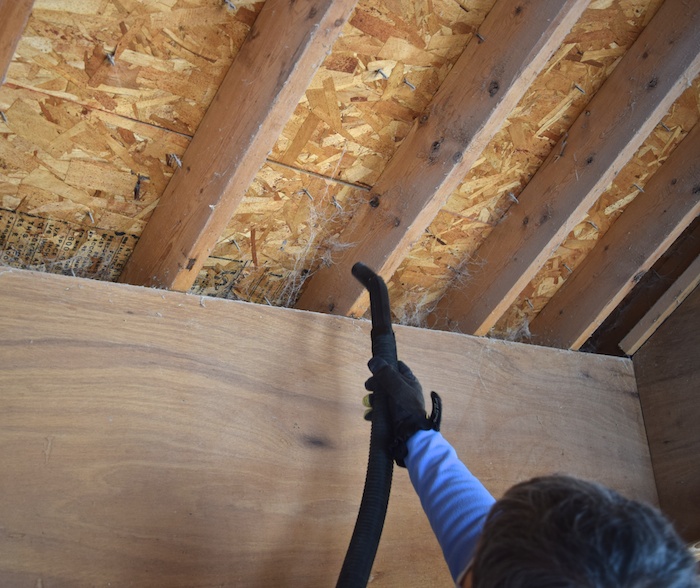
The goal isn't to fear the coop. It's to respect what's inside it.
Regular maintenance, sensible ventilation and the right protective equipment can turn a messy chore into a much more controlled routine.
Built for the dirty jobs.
Products from the Potential Coop Danger category, selected specifically to help with the practical challenges of coop cleaning and maintenance.
Keep the flock happy. Keep yourself protected.
Good chicken keeping includes taking care of the person doing the work. Prepare before you clean, use appropriate protective equipment, keep the coop ventilated and make handwashing part of the routine.
Explore coop-safety products →


